



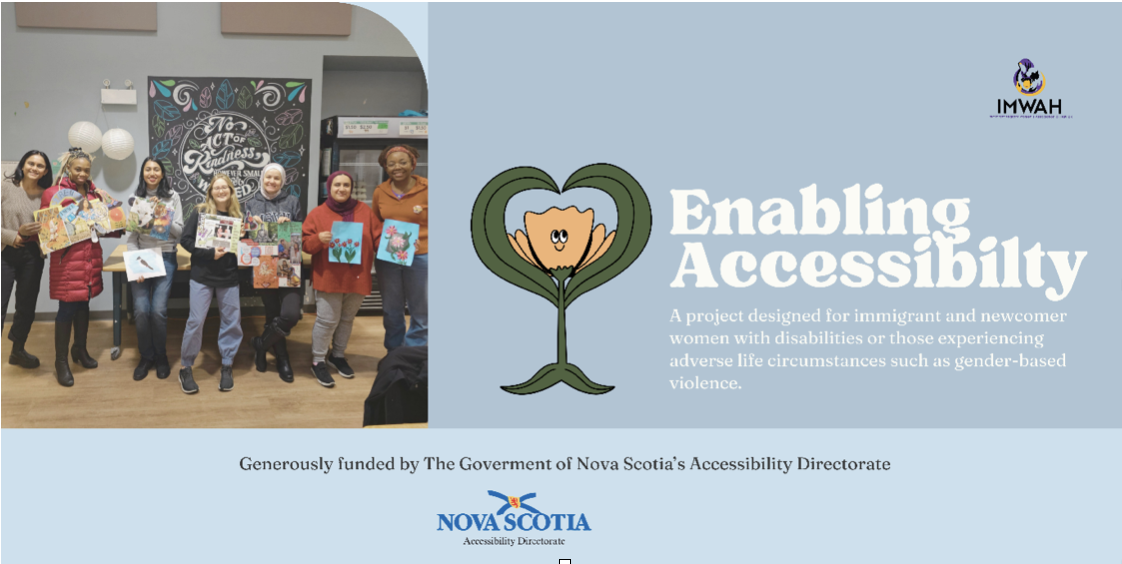
The Enabling Accessibility (EA) project supports the recommendations made by Not Without Us Government Community Response Committee as concrete ways to identify, remove and prevent barriers for women with disabilities and who may be experiencing Gender Based Violence (GBV), and responds to Nova Scotia’s Accessibility Act which recognizes accessibility as a human right and the need to improve accessibility for immigrant and migrant women who are racialized, and their families, to ensure that every Nova Scotian can fully participate in our society.
It responds to the priorities of the Accessibility Directorate and key actions outlined in the Access by Design 2030 framework to build a stronger province that benefits all Nova Scotians. This was accomplished through educational and art-based programming, premised on mutual exchange, relationship-building, and social and cultural community development.
The project's core programming involves seven art-based workshops, two research-oriented workshops, and two virtual information sessions held between August 2025- August 2026.
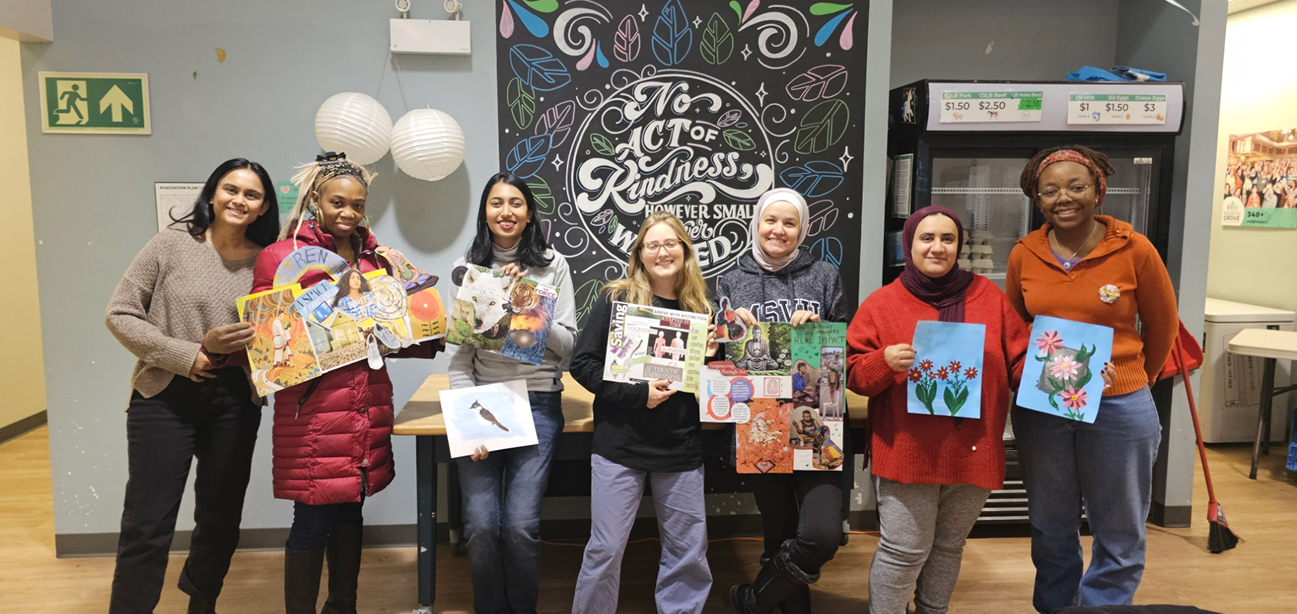
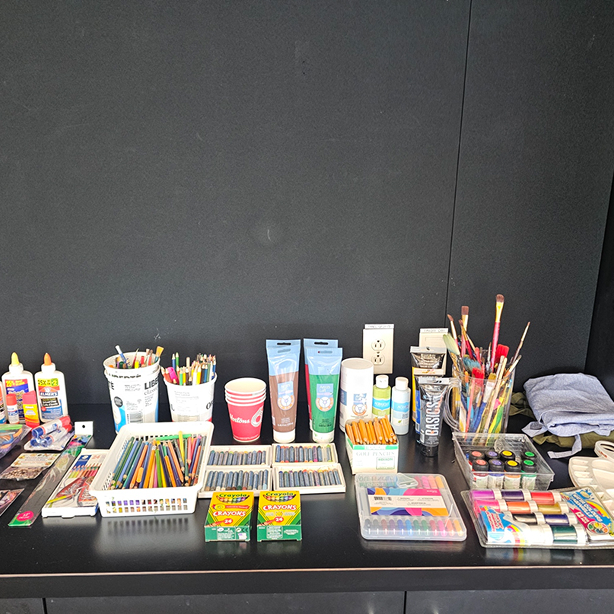
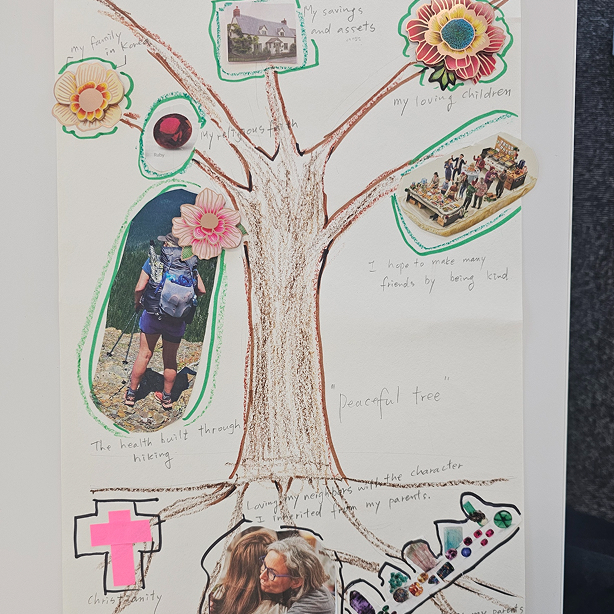
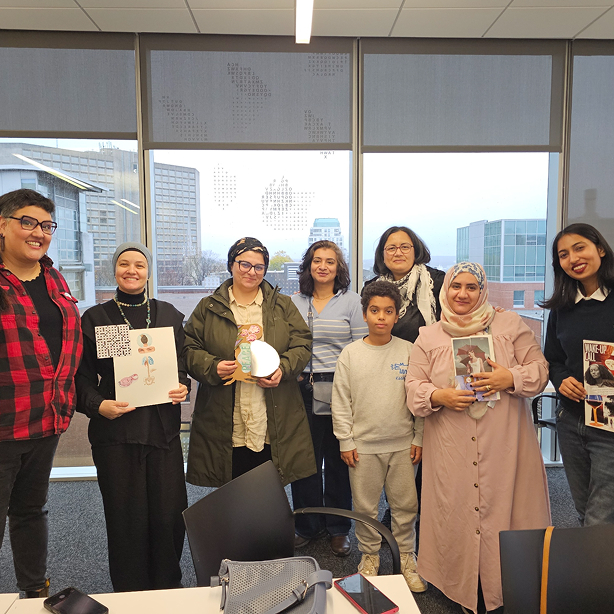
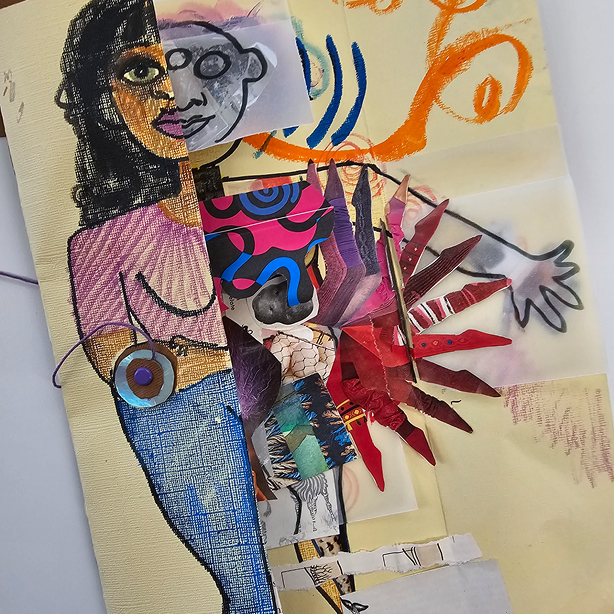
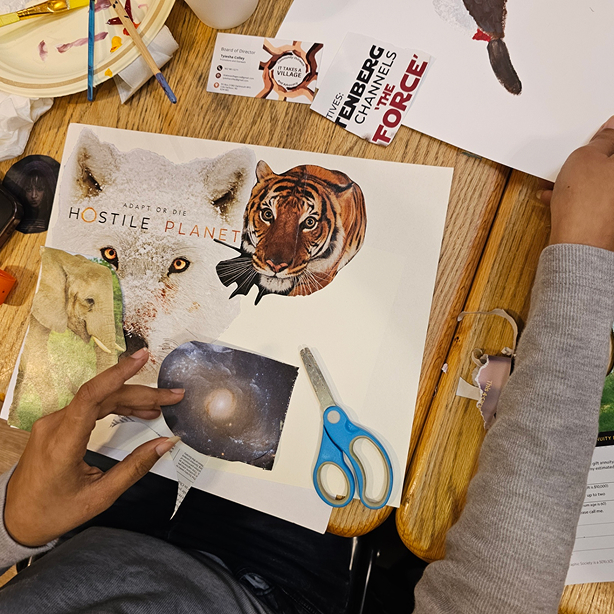
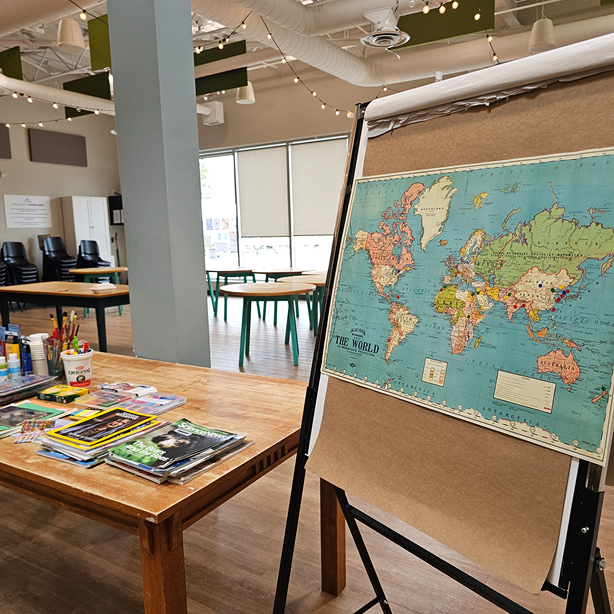
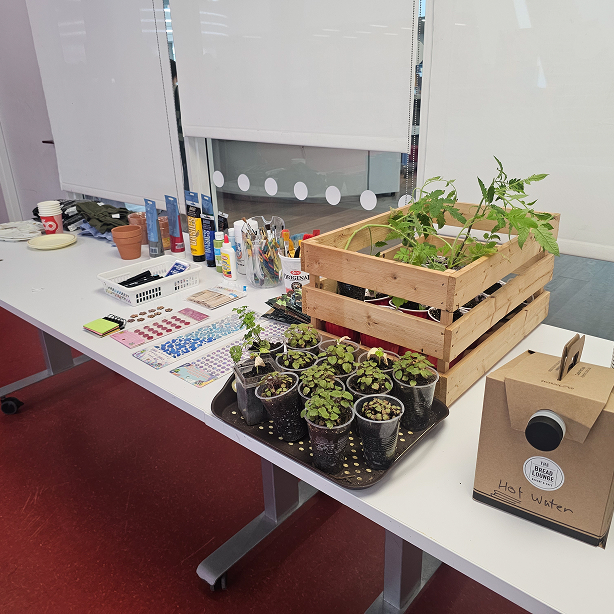
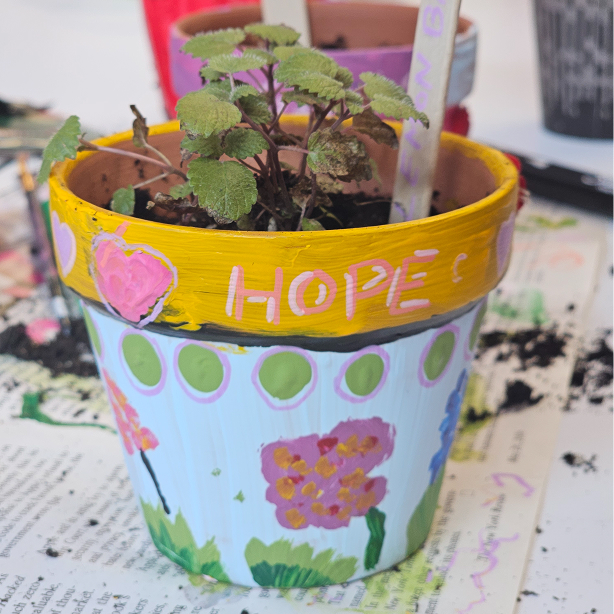
The activities include virtual educational sessions to raise awareness of the different supports available for women in Nova Scotia and, art workshops to create a supportive network.
An Advisory Committee was formed to provide strategic guidance and community representation throughout the project. It comprises of members from several local organizations including representatives from the Nova Scotia Accessibility Directorate, YWCA, Inclusion Nova Scotia, The Disability Partnership, ISANS, Women's Centres Connect, as well as academics from Cape Breton University and Dalhousie University.
Further, the project built partnerships with grassroots organizations to strengthen community networks through outreach support and collaborative programming. These include the Youth Project, Nisa Foundation, Second Story Women's Centre, and the North Grove.
IMWAH acknowledges that our work takes place in Mi'kma'ki, the traditional and unceded territory of the Mi'kmaq people
